Quick Answer: Running your VIN before you sell a junk car takes a few minutes and tells you what the car actually is, whether any theft, total-loss, or title-brand records are attached, and whether your paperwork matches the vehicle. It won’t reliably show liens, so check your title for those separately. Surprises found before the sale are far easier to fix than surprises found at pickup.
Most Junk car advice jumps straight to pricing: how much can I get, and how fast. The step that’s almost always missing is checking what you’re actually selling. A quick VIN check can save you from a stalled sale, an underpriced offer, or a title problem you didn’t know you had.
What Can a VIN Check Tell You About Your Junk Car?
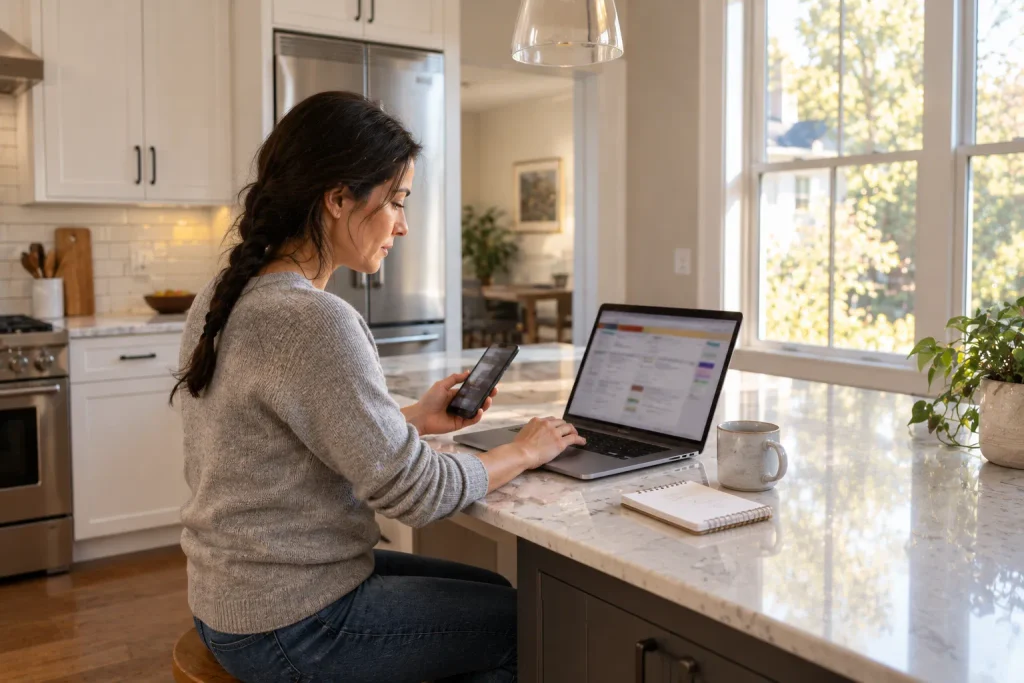
Your 17-character VIN is the car’s fingerprint. Different free and low-cost tools read different records tied to it:
| What You Check | Where to Check It | Why It Matters When Selling |
| Exact year, make, trim, engine | Free VIN decoder (such as NHTSA’s) | Confirms what you actually own, which affects its parts value and whether it meets Georgia’s age rule |
| Theft and total-loss records | NICB VINCheck (free) | Surfaces insurer-reported theft or salvage flags before a buyer finds them |
| Title brands and odometer history | VehicleHistory.gov (NMVTIS-approved providers) | Shows salvage, junk, or other brands that can change the paperwork you need |
| Open safety recalls | NHTSA recall lookup (free) | Good to know, though rarely a barrier to selling a junk car |
No single tool shows everything, so a quick pass through two or three covers the useful ground.
Why Does This Matter If the Car Is Going to Be Junked Anyway?
Because buyers price and process your car based on what the records say, and it’s better if you’ve seen them first.
- You’ll know what you actually have. A decoded VIN confirms the exact trim and engine. Those details influence parts demand, so you can judge an offer against the real car, not a guess.
- You’ll catch title surprises early. A salvage or junk brand can change what paperwork a buyer needs. Knowing in advance keeps the sale from stalling at pickup.
- You’ll confirm your paperwork matches. The VIN on your title should match the VIN on the car. A mismatch is a common cause of delays.
- You’ll see any theft or total-loss flags. If a record exists, you’d rather learn it from a search than from a buyer.
How Do You Run a VIN Check for Free?
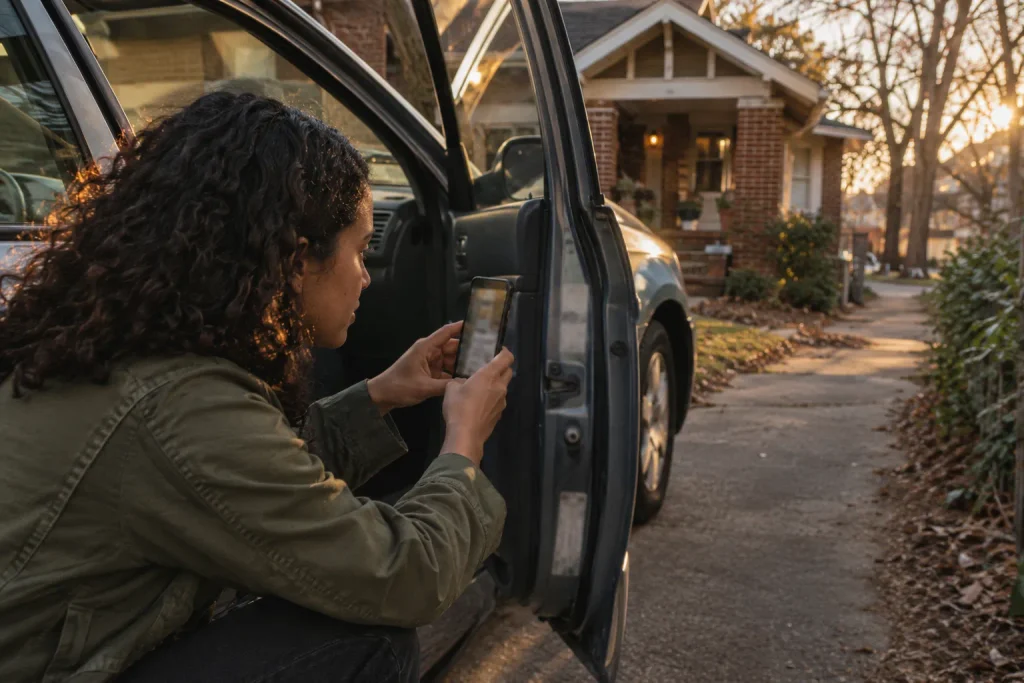
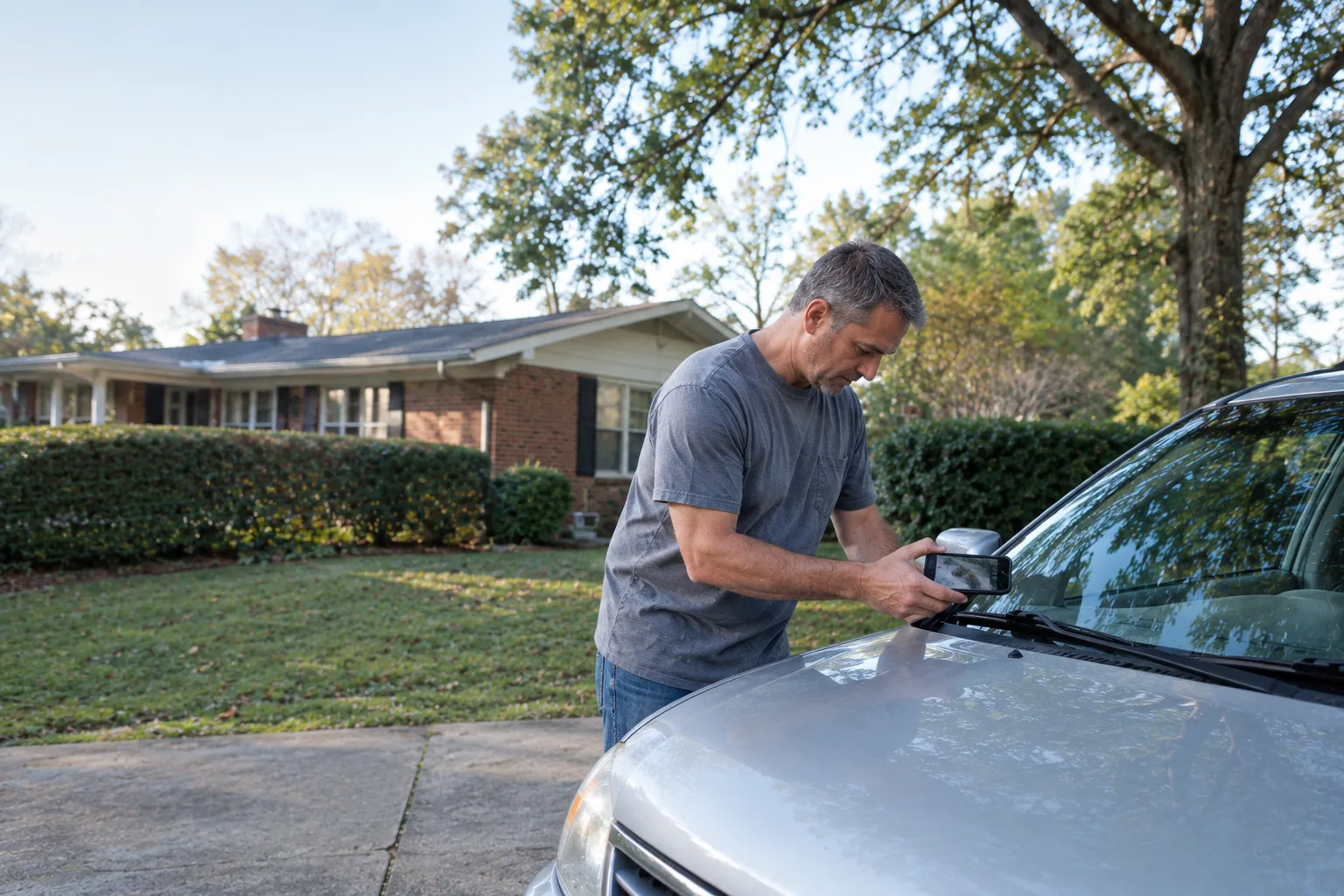
1. Find the VIN on the dashboard near the windshield, on the driver’s door jamb sticker, and on your title. Make sure all three agree.
2. Run it through NICB VINCheck for free theft and insurer total-loss records.
3. Decode it with a free VIN decoder, such as NHTSA’s, to confirm year, trim, and engine.
4. For title brands and odometer history, use an approved provider listed at VehicleHistory.gov. These reports may cost a small fee.
5. Write down anything unexpected so you can address it before you get quotes.
What Won’t a VIN Check Show?
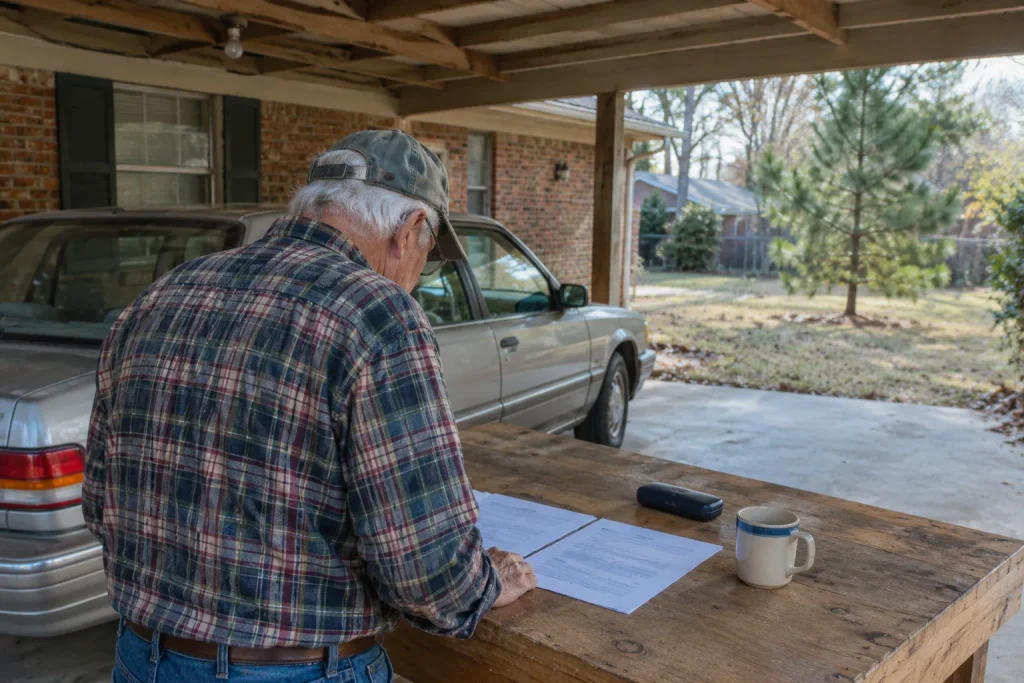
A VIN check isn’t a complete picture. It generally won’t tell you the car’s current condition, and it doesn’t reliably reveal liens. If you ever financed the car, look for a lienholder on your title and contact the lender for a release before selling.
Our guide to Georgia junk car title requirements walks through lien releases, lost titles, and the no-title exception for older, low-value cars.
What Should You Do If the Results Look Wrong?
Don’t panic and don’t hide it. Match the problem to the fix:
- A title brand you didn’t expect: Read up on what it means, starting with our explainer on salvage vs. clean titles, and tell buyers upfront.
- A VIN mismatch: Contact your County Tag Office about correcting the record before selling.
- A theft or total-loss flag you don’t recognize: Confirm the details with your insurer or the agency that reported it before listing the car.
Frequently Asked Questions
Do I need to run a VIN check to sell a junk car?
No law requires it, but it takes a few minutes and tells you what your car actually is, whether any title brand or theft record is attached, and whether your paperwork matches the car.
Is there a free way to check a VIN before selling?
Yes. NICB’s VINCheck is free for theft and total-loss records, and NHTSA offers free VIN decoding and recall lookups. Full title-brand reports through NMVTIS-approved providers may cost a small fee.
Will a VIN check show if there is a lien on my car?
Not reliably. Check your title for a lienholder and contact the lender directly. If a loan was paid off, get the lien release before you sell.
What if the VIN on my title doesn’t match the car?
Stop and sort it out before selling. A mismatch can stall a sale, so contact your County Tag Office about correcting the record.
The Bottom Line
Spending ten minutes on your VIN before you sell a junk car tells you what you own, what’s attached to it, and whether your paperwork lines up. That makes every offer easier to judge and every sale easier to close.
Ready to see what your car is worth? Get a cash offer from our team, and have your VIN and title handy so we can walk you through the paperwork.